General Repairs and Modifications
Repairs and changes to bodies and equipment, whether we built it or not. Reinforcing, adding gates, swapping tarp systems.
This is the work on steel and truck equipment that already exists, whether it came out of our shop or somebody else's. Reinforcing a body that now carries heavier loads than it was built for. Adding a gate. Replacing a tarp system that has failed. Repairing the floor or sides of a body that has worn through.
Modifying equipment that is still on the truck means welding close to a modern chassis, and its electronics need protecting. Peterbilt's 2024 Heavy Duty Body Builder Manual lists the precautions for welding on vehicles with electronic engines: disconnect the battery connections, disconnect the engine control module connectors, never use the ECM or the engine ground stud as the welder's ground, place the welder's ground as close to the weld as possible, and turn the key off. For Bosch and WABCO ABS it adds disconnecting the ABS control unit.
Body repairs carry a legal minimum as well. California Vehicle Code 23114(b)(1) says aggregate material may only be carried in the cargo area of a vehicle, and that the cargo area shall not contain any holes, cracks or openings through which the material may escape, regardless of how fully the vehicle is loaded. A floor worn through at the tailgate or a split seam in a side is more than wear on an aggregate hauler. It is a violation.
The same subdivision lists what a vehicle hauling aggregate has to be equipped with, and much of it is steel work. Section 23114(b)(2) includes properly functioning seals on openings used to empty the load, splash flaps behind every tire or set of tires, complete enclosures on all vertical sides of the cargo area including tailgates, and shed boards that keep material from landing on the vehicle body during top loading. When a body is modified, those items are part of what gets checked.
Reinforcing a body is the most common modification, and it starts with what has changed. A body built for lighter material that now hauls demo or scrap takes more impact on the floor and more abrasion low on the sides. The repair is usually more steel in the right place, or harder plate where the wear is, rather than more weld on tired plate. How hardened plate is cut and welded is set out on our welding and steel repair page.
Adding an air gate or any air operated equipment taps into the truck's air system. Peterbilt's manual states that air system modification must meet the applicable FMVSS regulations, and that the compressed air tank may not be modified, other than adding or removing fittings or relocating the tank.
Any work under a raised body needs that body supported. OSHA's construction standard, 29 CFR 1926.601(b)(10), requires trucks with dump bodies to have a positive means of support, permanently attached and able to be locked in position, to prevent accidental lowering during maintenance or inspection. If a body's prop is missing or bent, replacing it comes first.
Tarp swaps and gate additions are covered in more detail on the electric tarp and air gate pages. Bring the truck to either shop with a note of what it hauls now and what has changed since the body was built.
Work from our shops
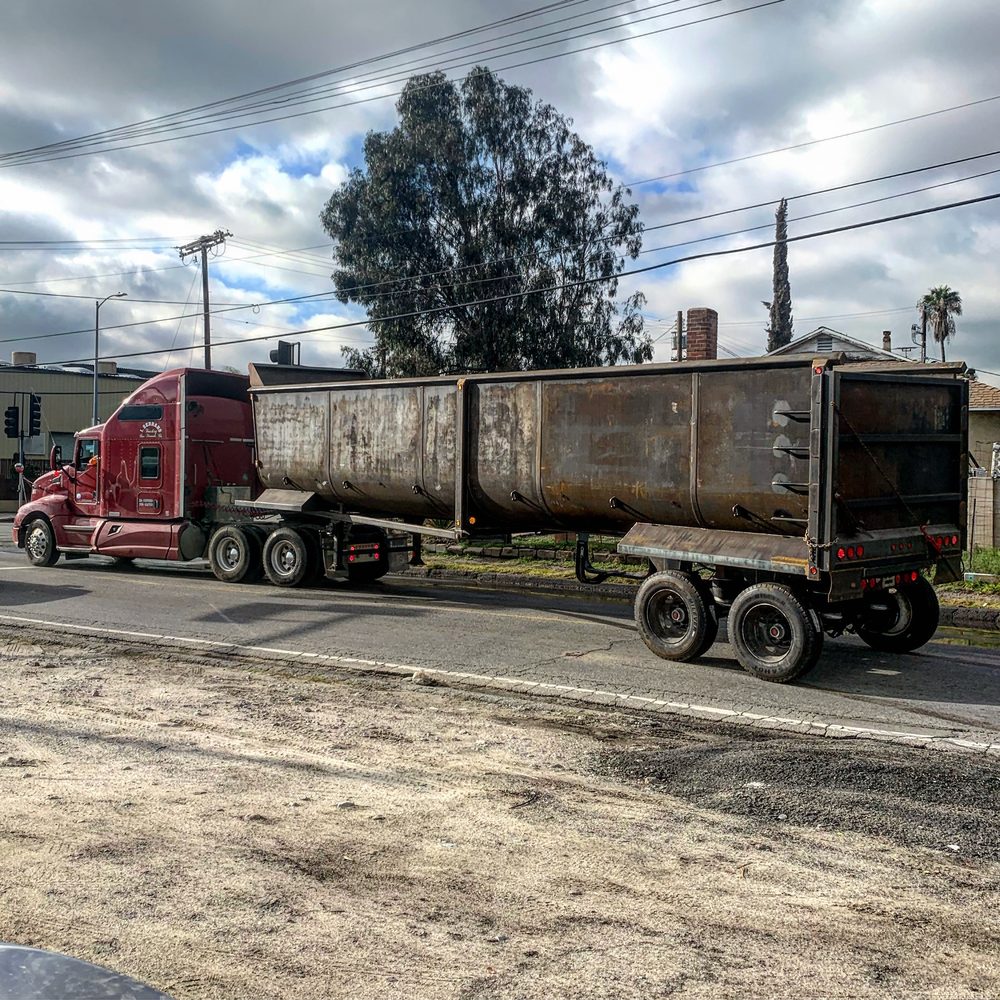
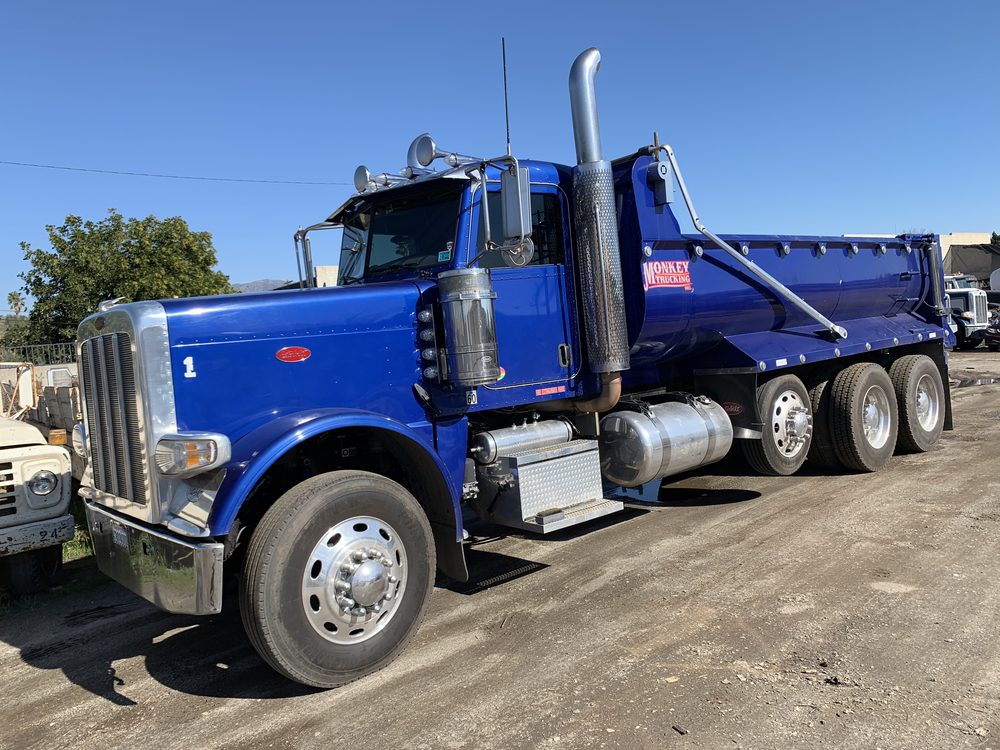
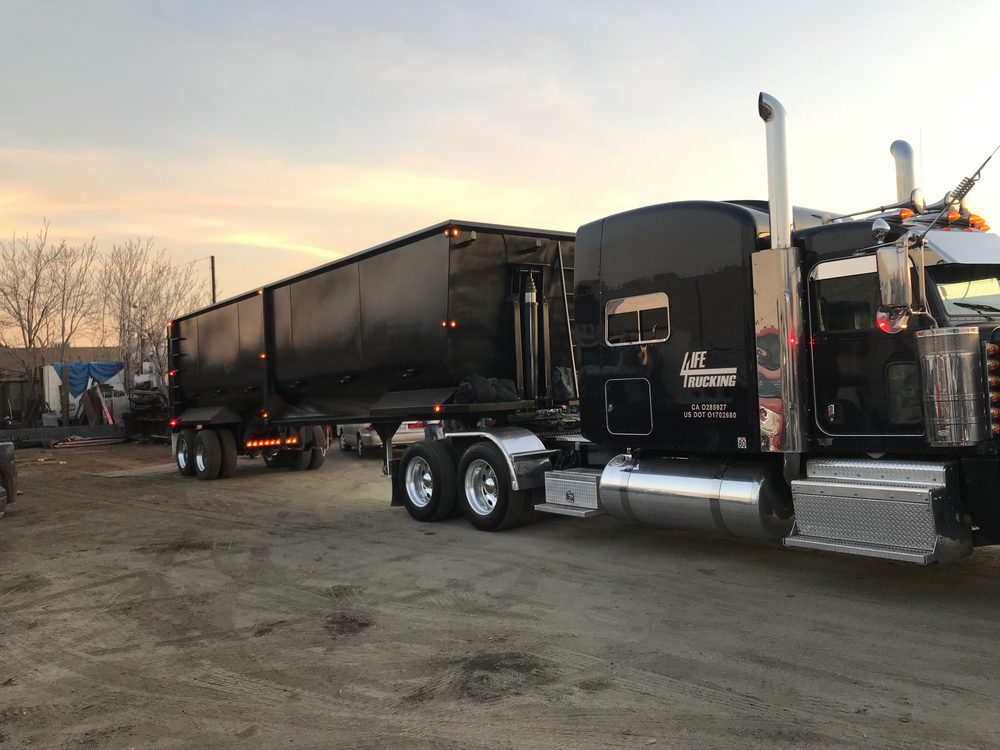
Questions about general repairs and modifications
Will you modify a body you did not build?
Is a hole in my dump body floor a legal problem?
Can you weld on the truck without harming the electronics?
What does an aggregate truck body legally need?
Often paired with general repairs and modifications
Need general repairs and modifications?
Free estimates. Tell us the job and we will send back a spec and a price.