Super 10 Dump Bodies
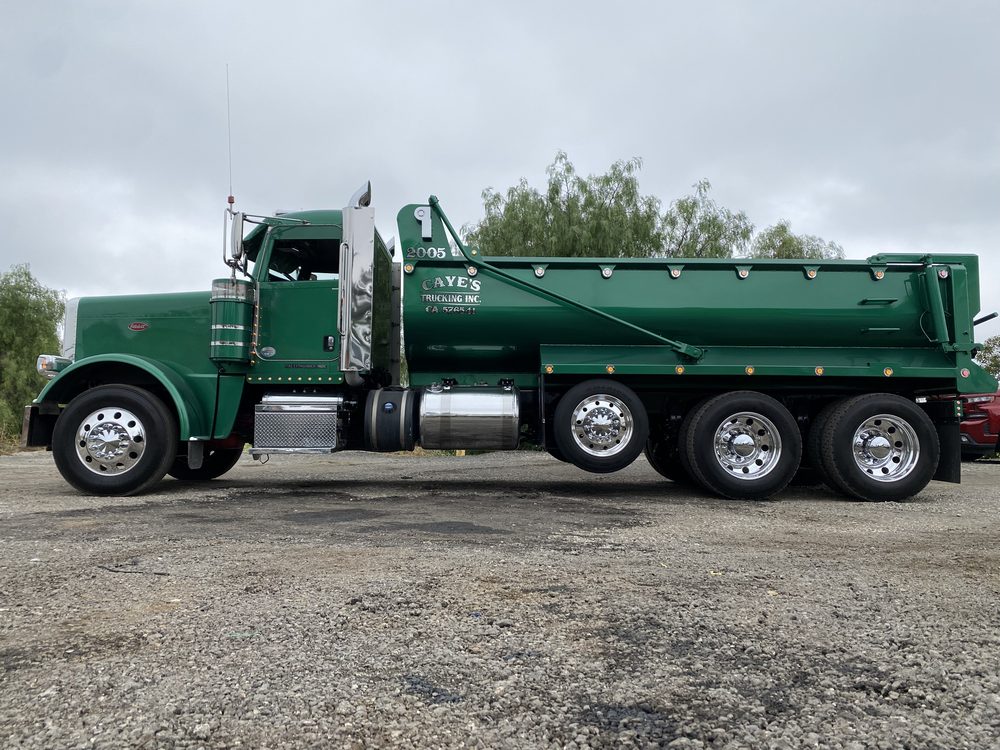
Elliptical body, 18 foot standard length, AR400 to AR500 in 3/16 to 3/8 gauge, 156 telescopic hoist, air gate with a double lock and electric tarp. Built for demo work.
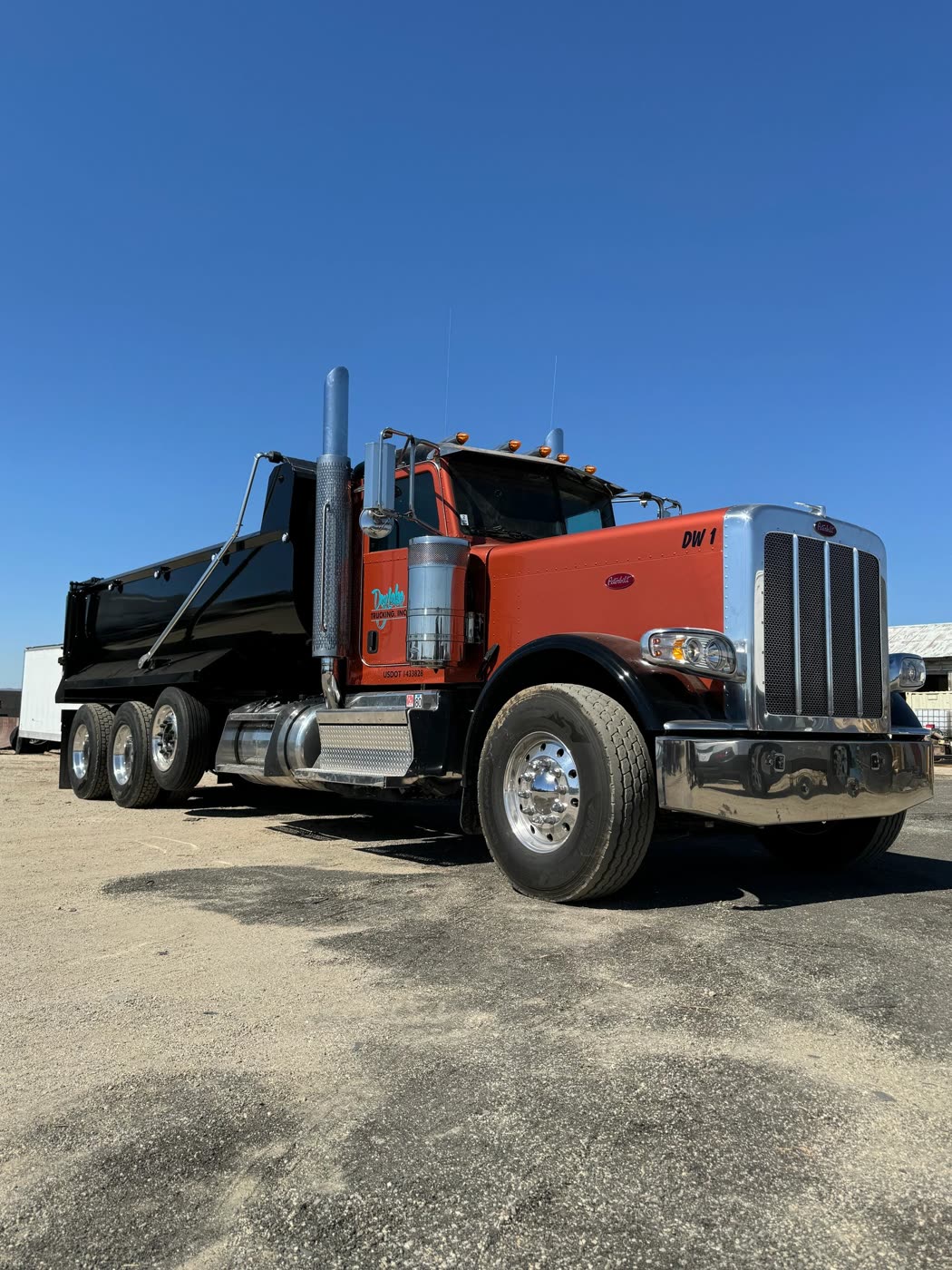
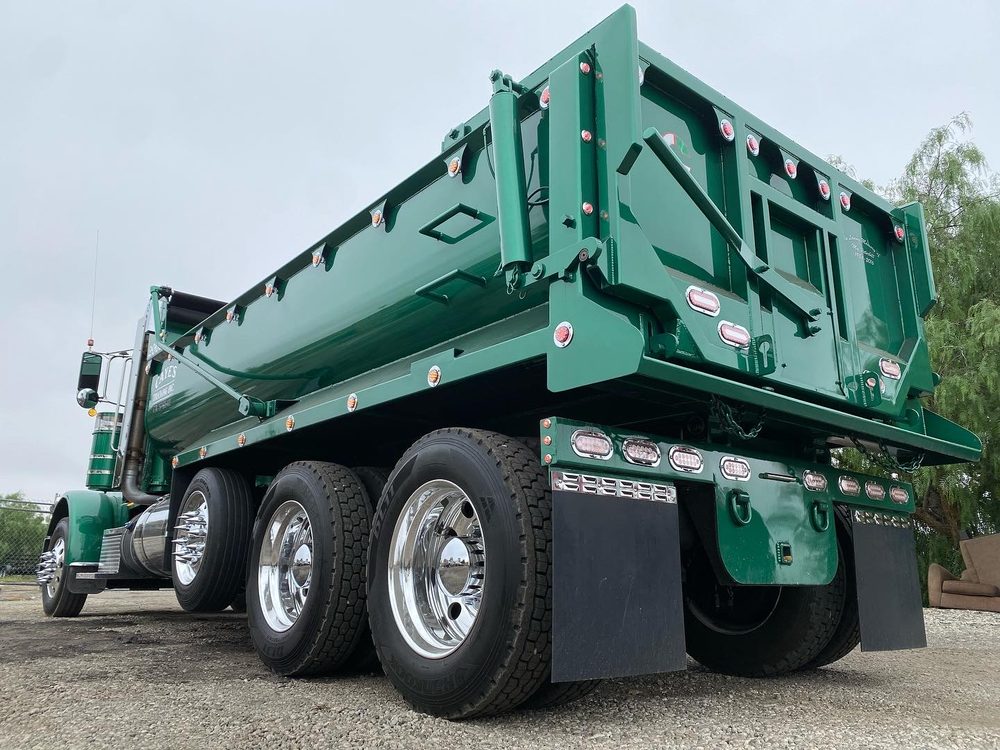
Our Super 10 dump body is built to one spec: an elliptical body, 18 feet long as standard, in AR400 through AR500 abrasion resistant plate at 3/16 to 3/8 inch. A 156 telescopic hoist lifts it, the tailgate is an air gate with a double lock worked from the cab, and an electric tarp covers the load. It is built for demolition work, and like all of our bodies it is built in the USA.
An elliptical body rounds the floor up into the sides instead of meeting them at a square corner. That leaves fewer inside corners for packed material to hold in when the body tips.
The plate is chosen for wear. AR400 and AR500 are hardness classes, and each steel mill publishes its own range for them. SSAB, for example, gives 370 to 430 Brinell for its Hardox 400 and 470 to 530 Brinell for Hardox 500 plate up to 32 mm. Harder plate holds up to abrasion longer. The gauge, from 3/16 to 3/8 inch, follows what the truck hauls: heavy demo and scrap wants the thick end, and lighter material does not need that plate or its weight.
Weight decides a lot of the rest. California Vehicle Code 35550 caps the gross weight on any one axle at 20,000 pounds. Section 35551 sets what any group of two or more consecutive axles may carry by the distance between the first and last axles of the group, measured to the nearest whole foot. Three axles in a group, for instance, top out at 60,000 pounds once they span 32 feet. Section 35551(e) adds that those limits already include all enforcement tolerances, so there is no margin above the table.
Every pound of body is a pound of load the truck gives up under those numbers. That is why the gauge is picked to the job rather than to the heaviest plate available, and why an extra layer of steel in the floor has to earn its place.
The tarp is on the spec for a legal reason. California Vehicle Code 23114(e)(1) says aggregate material may not be transported on a highway unless it is covered, and 23114(d) counts dirt, gravel, crushed base and asphalt among aggregate. Loads like that fall squarely inside the rule, and the details of the six inch exception are on our electric tarp page.
The air gate answers two more rules. Vehicle Code 23114(b)(2)(A) requires properly functioning seals on tailgates used to empty an aggregate load, and OSHA's construction standard, 29 CFR 1926.601(b)(12), requires tailgate trip handles to be arranged so the operator is in the clear when dumping. A gate worked from the cab, with a double lock, is built around both.
Eighteen feet is the standard length rather than the only one. The body is sized to the chassis and the work, and anything off the standard is built as a custom dump body. Bring the chassis make, model and cab to axle measurement, and what the truck hauls.
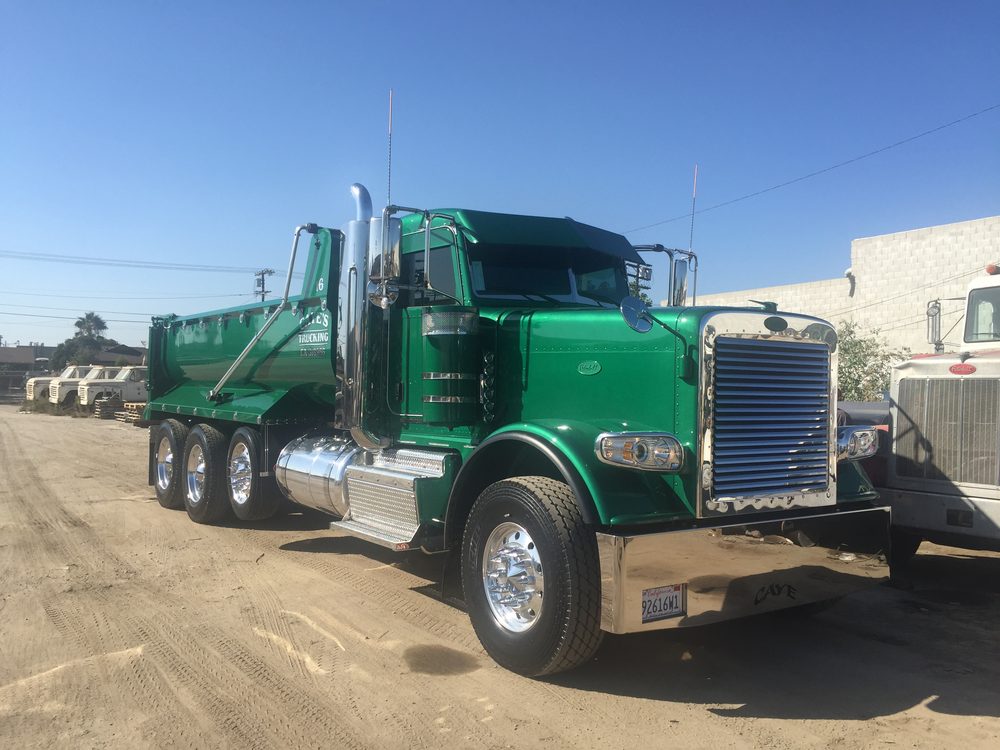
Work from our shops
Questions about Super 10 dump bodies
Can you build other than 18 foot?
Which steel gauge should I be running?
What is the difference between AR400 and AR500?
Why does the Super 10 come with a tarp?
Is the Super 10 built in the USA?
Often paired with Super 10 dump bodies
Need Super 10 dump bodies?
Free estimates. Tell us the job and we will send back a spec and a price.