Electric Tarp Installation
Electric tarp systems fitted to a new body or added to a body you already run, so the driver is not sheeting a load by hand.
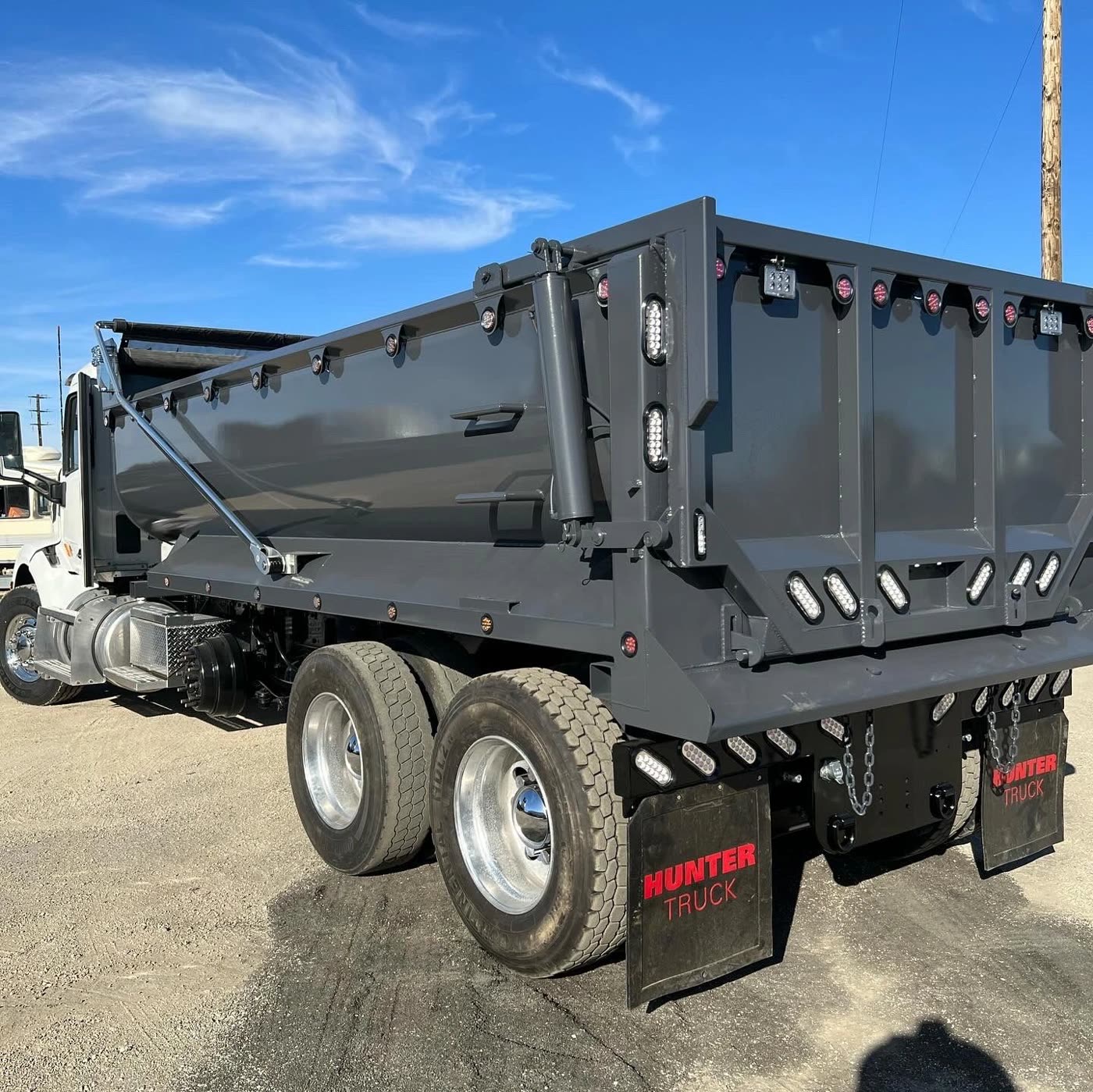
An electric tarp pulls a cover across the load with a motor, so nobody has to climb onto the body to sheet it by hand. We fit them to new bodies as part of the build, and we retrofit them to bodies already in service, including bodies we did not build.
In California a cover is often a legal requirement rather than a convenience. Vehicle Code 23114(e)(1) says a vehicle may not transport any aggregate material on a highway unless the material is covered. Section 23114(d) defines aggregate material as rock fragments, pebbles, sand, dirt, gravel, cobbles, crushed base, asphalt, and other similar materials. That list is most of what a dump truck hauls.
There is an exception, and it is narrower than people tend to think. Under 23114(e)(4), a load of aggregate does not have to be covered if, where it contacts the sides, front and back of the cargo area, it stays six inches from the upper edge, and if the load does not extend at its peak above any part of that edge. Both conditions have to hold. A load heaped up in the middle can fail the second one even when it sits well down at the sides.
Loads made up entirely of asphalt are exempt from the covering rule under 23114(e)(2). They are still subject to the rest of the section, including 23114(a), which bars any load from dropping, sifting, leaking, blowing, spilling or otherwise escaping from the vehicle.
That is the working case for an electric tarp. Staying six inches under the edge on every load means carrying less than the body holds. A cover lets the truck load to what the body and the weight limits allow, and a cover that goes on from a switch gets used on the short runs as well as the long ones.
The cover also has to stay put. A tarp that lets material blow out from under it at speed still leaves the truck in breach of 23114(a), so on a retrofit the checks are where the system can mount solidly to the body, that the cover sits down on the body edges, and how the power reaches the motor.
A tarp handles the top of the load only. The gate and the body have their own requirements under 23114(b), including working seals on tailgates, which are covered on our air gate page.
Bring the truck to the Penrose Street shop in Sun Valley. Tell us the body length and width, what it hauls, and whether the tarp is for a new build or a body already on the road.
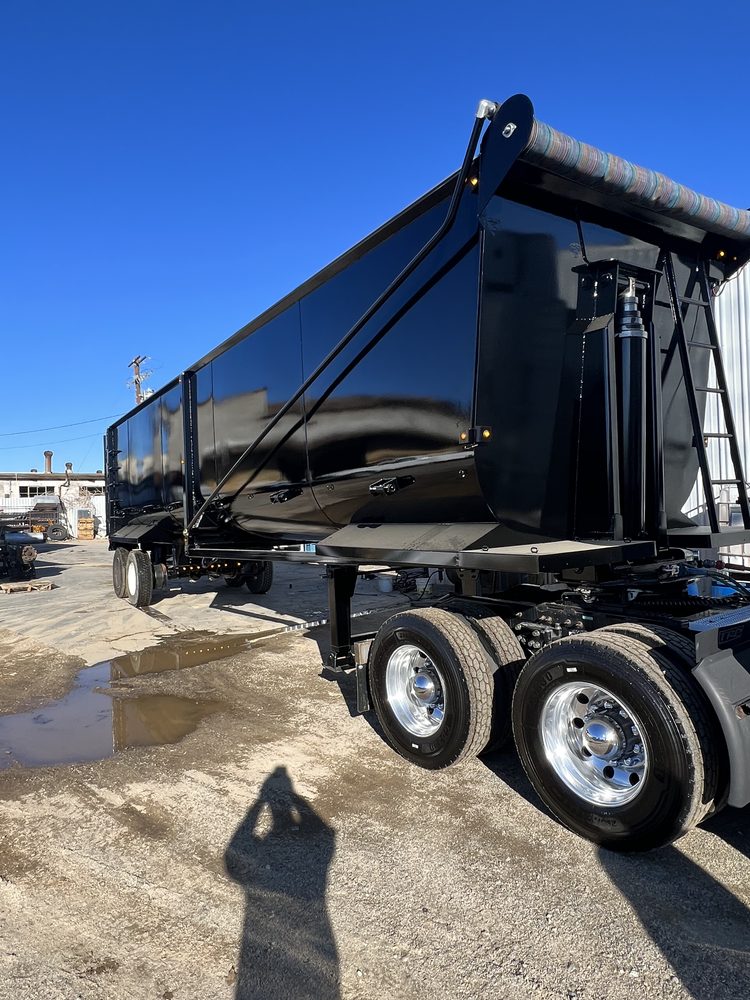
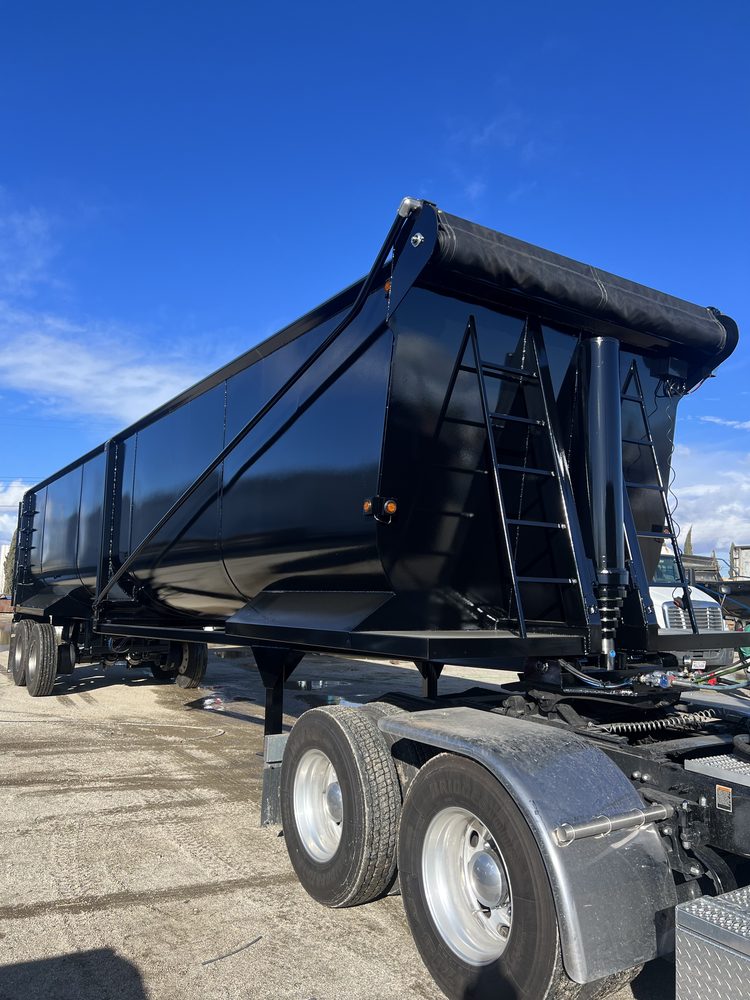
Work from our shops
Questions about electric tarp installation
Do I legally have to cover my load in California?
Can I skip the tarp if the load is below the top of the body?
Can you add an electric tarp to a body I already run?
Does a tarp cover everything the law asks of the load?
What if the site where I load has nowhere to tarp up?
Often paired with electric tarp installation
Need electric tarp installation?
Free estimates. Tell us the job and we will send back a spec and a price.