Telescopic Hoist Installation
156, 250 and 256 telescopic hoists supplied and installed. We size the hoist to the body length and the load it is carrying.
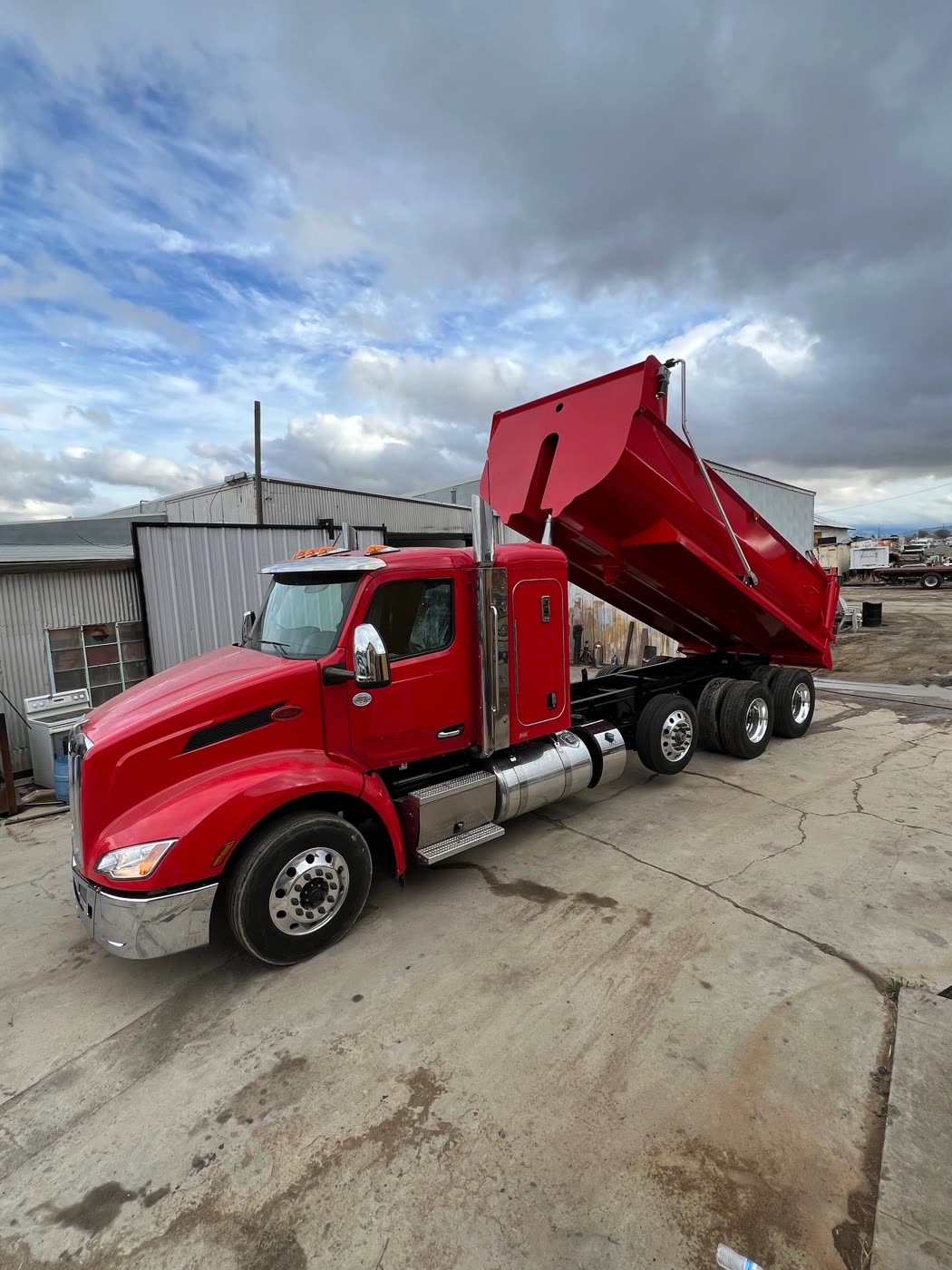
A telescopic hoist is a hydraulic cylinder built from nested stages that extend out of each other to lift the front of a dump body. We supply and install 156, 250 and 256 telescopic hoists. Which one a truck needs is set by the body it lifts: a longer body and a heavier load need more lift, so the hoist gets sized to the work rather than to whatever is on the shelf.
On our own builds the pairing is fixed by the spec. The Super 10 body runs a 156 telescopic hoist, and our end dump trailers run a 250 or a 256. When a hoist goes onto a body built somewhere else, the starting point is that body's length and what the truck hauls.
A hoist also decides how much oil the hydraulic system has to move, and that decides the pump and the tank behind it. ProDrive PTO, which makes PTOs and hydraulic pumps, publishes the arithmetic in its guide to sizing a wet kit pump. For a single acting telescopic hoist, the oil volume in gallons is the area of each stage in square inches times its stroke in inches, added up across the stages and divided by 231. Divide that volume by the raise time you want, in minutes, and the result is the flow the pump has to deliver.
That formula explains the most common complaint. Put a bigger hoist on the same pump and the volume goes up while the flow stays put, so the body rises more slowly. A slow raise is often a pump and PTO question before it is a cylinder question, which is why a hoist swap gets checked against the wet kit that drives it.
The controls matter as much as the cylinder. OSHA's construction standard, 29 CFR 1926.601(b)(11), requires the operating levers that control hoisting or dumping devices on haulage bodies to be fitted with a latch or other device that prevents accidental starting or tripping of the mechanism. That latch is part of a hoist install.
A raised body also needs something other than the hoist holding it up when people are near it. Section 1926.601(b)(10) of the same standard requires a positive means of support, permanently attached and able to be locked in position, to prevent the body lowering by accident during maintenance or inspection. Nobody should work under a body held up only by oil pressure.
The hoist mounts to the chassis and to the body, and that mounting follows the same chassis maker rules as the body itself, set out on our dump body installation page. Bring the body length, the chassis, what the truck hauls, and the model of the hoist you are replacing if there is one. Hoist work is done at the Penrose Street shop in Sun Valley.
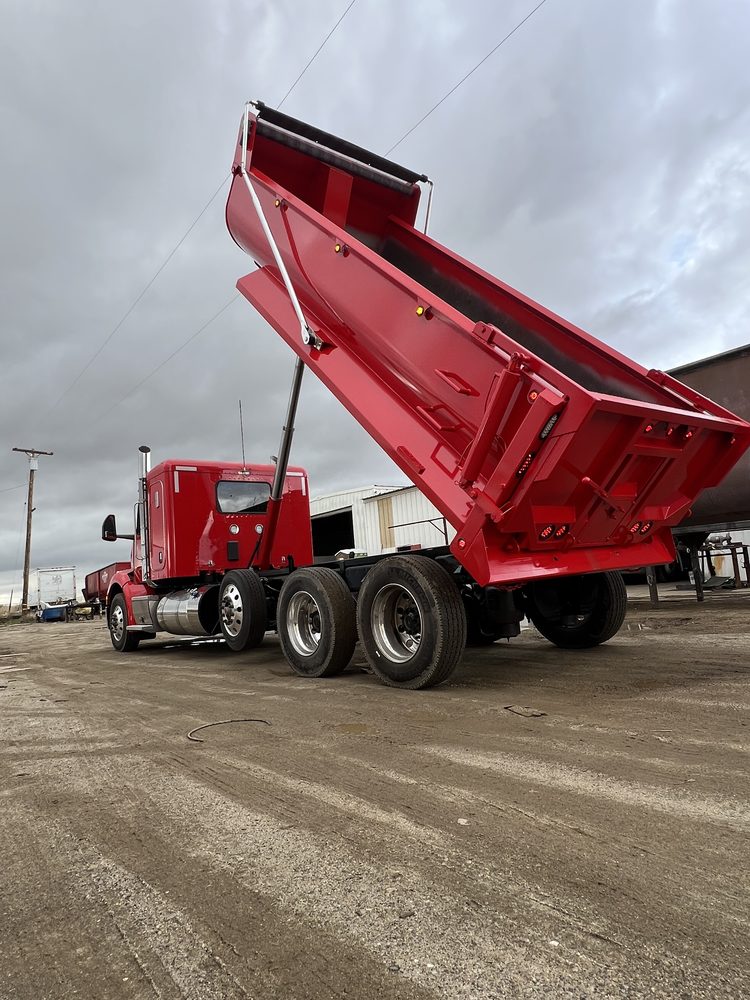
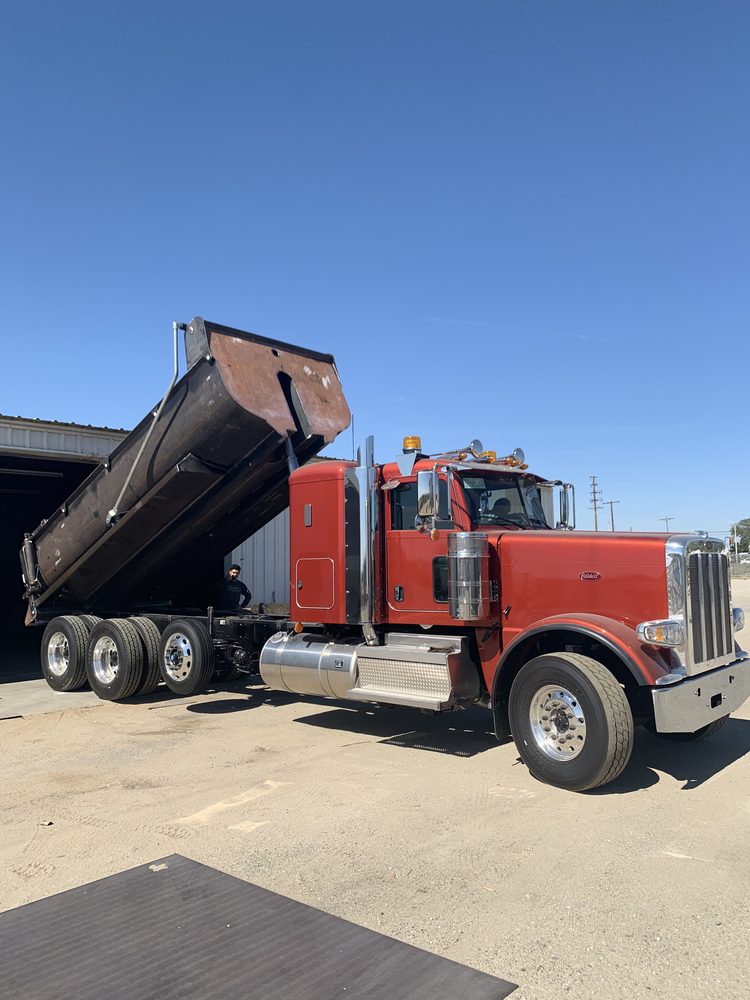
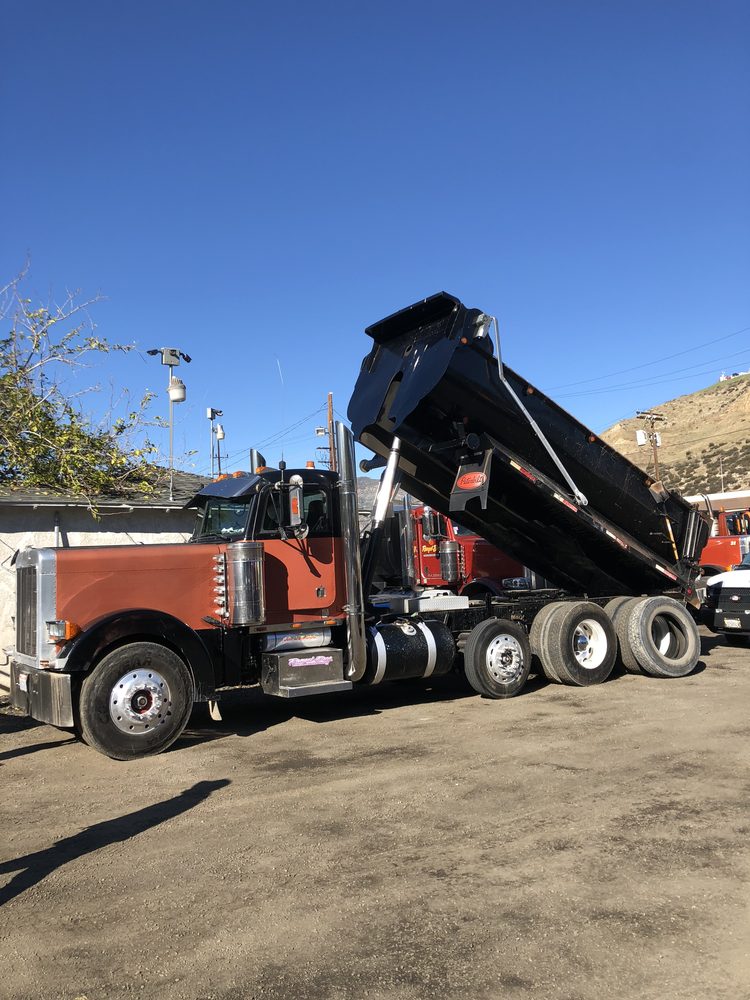
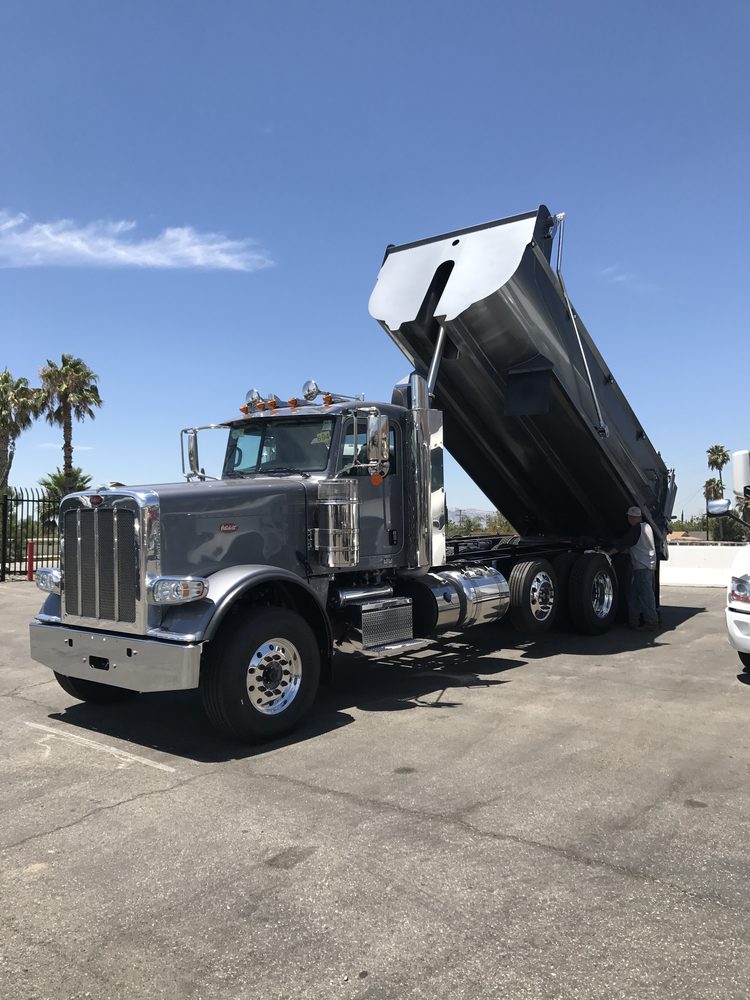
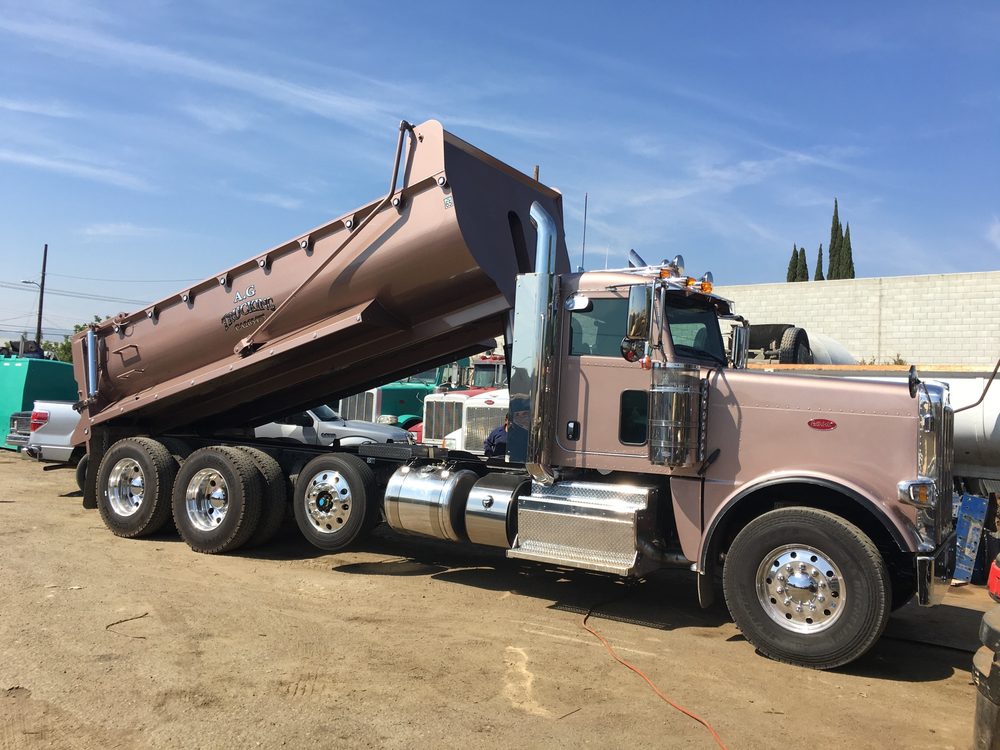
Work from our shops
Questions about telescopic hoist installation
Which hoist size do I need?
Why is my hoist slow to raise?
Is it safe to work under a body the hoist is holding up?
Will a bigger hoist need a bigger pump?
Do you replace hoists on bodies you did not build?
Often paired with telescopic hoist installation
Need telescopic hoist installation?
Free estimates. Tell us the job and we will send back a spec and a price.